
Prompting is dead. Building systems isn’t.

Prompting got us here. Systems will define what comes next. A reality check from San Francisco on why AI’s next frontier is no longer better prompts, but better orchestration, infrastructure, and agent-native workflows.
That headline is intentionally provocative.
Prompting still matters. A lot.
But after spending the last week in San Francisco talking to founders, engineers, and AI-native teams, one thing became very clear to me:
Prompting is no longer the moat.
The real advantage now comes from building systems around AI.
If you want a glimpse into what AI trends are coming over the next 6–12 months, I’d strongly recommend flying to the Bay Area and attending as many meetups, conferences, and builder events as possible.
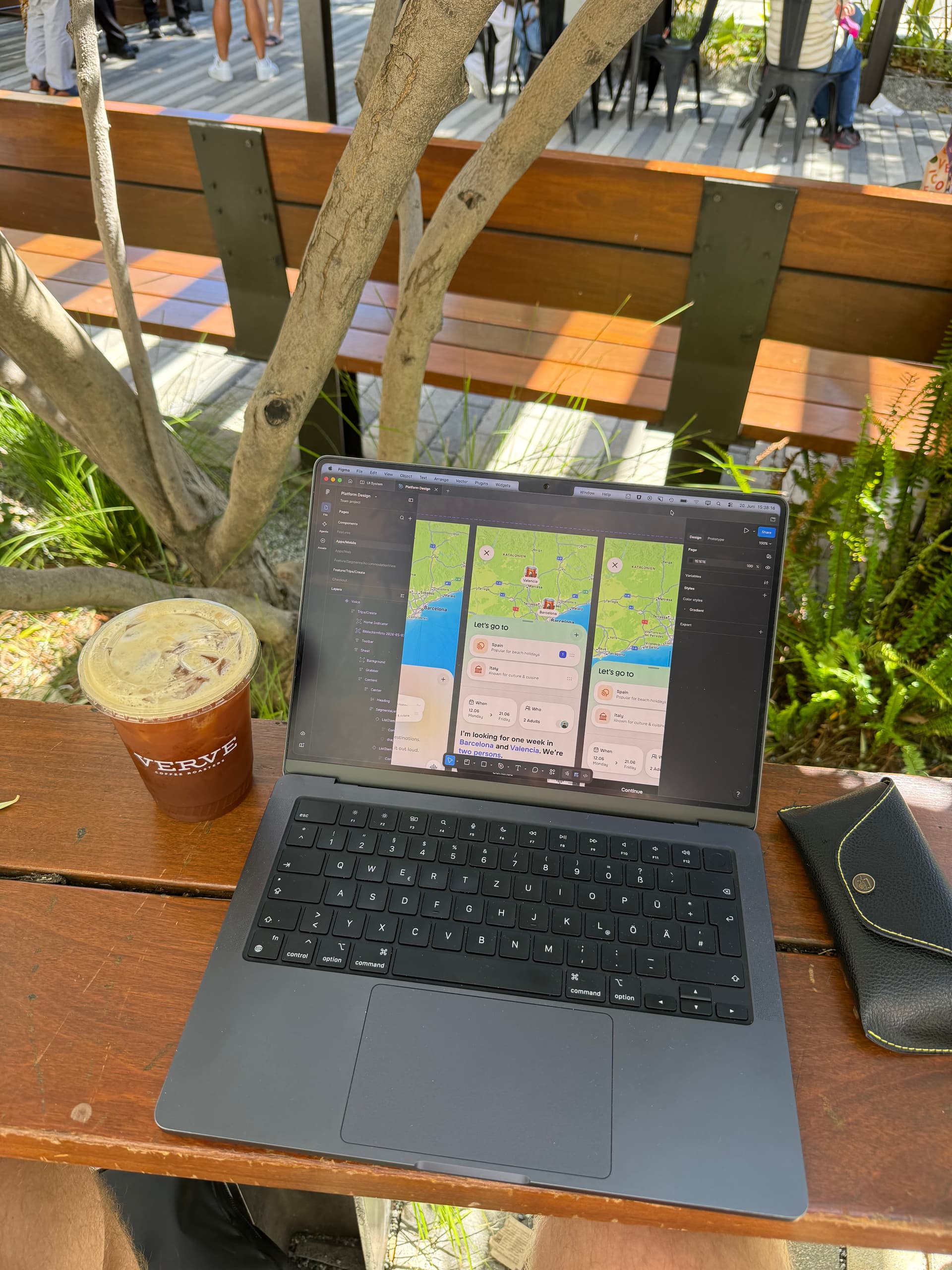
That’s exactly how I spent the last seven days.
And seven more will follow.
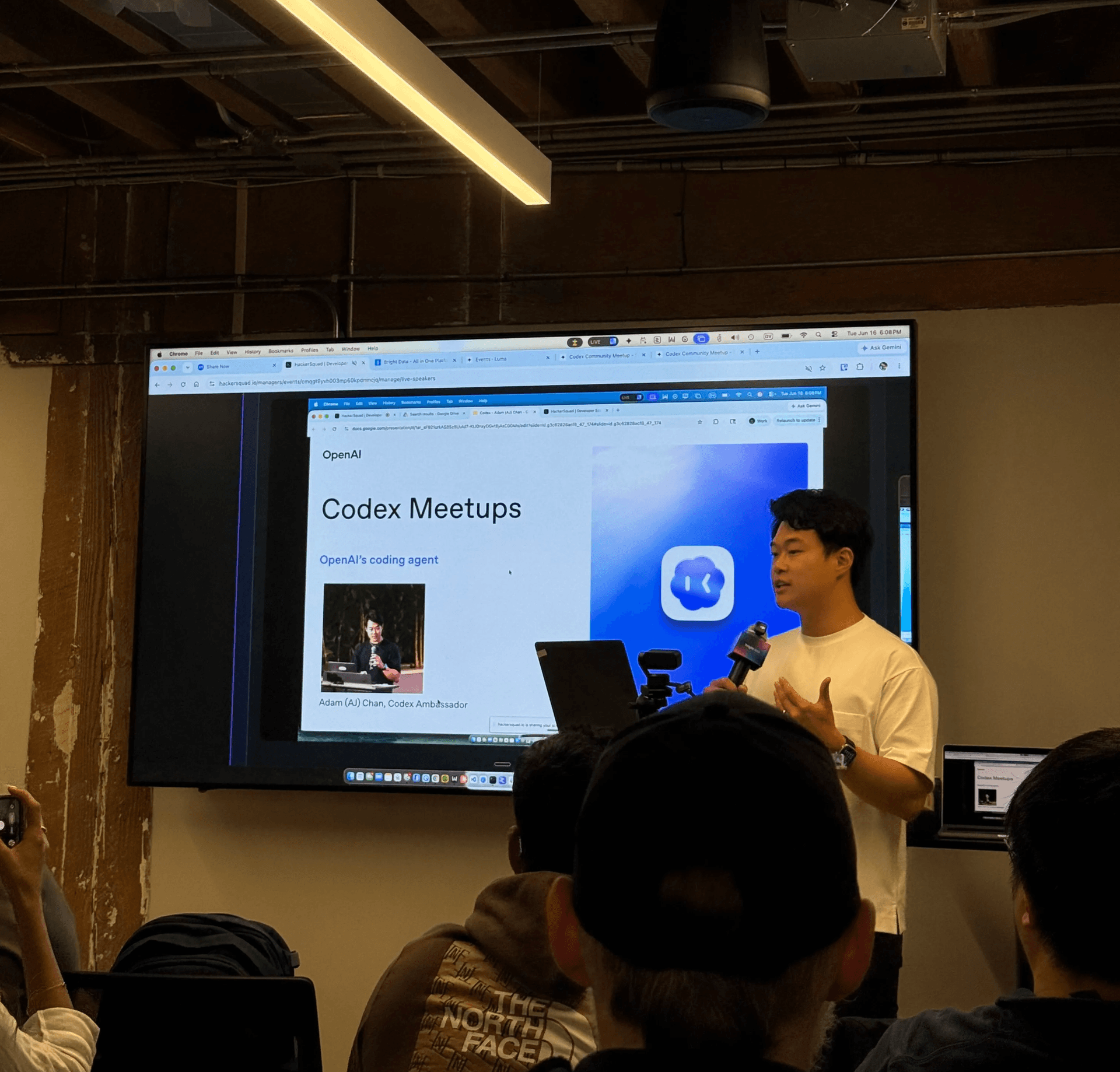
My reality check in SF
Last year, everything here was about prompt engineering.
People talked about:
- better prompts
- AI wrappers
- productivity boosts
- copilots for knowledge work
The dominant question was:
How can AI help humans work faster?
This year the conversation feels very different.
The question now is: How can humans build systems where AI works on its own?
That shift is massive.
I started thinking about it in three lanes.
Right lane: Prompting
This is where most people still operate.
They open ChatGPT, Claude, Codex, or whatever model they use and hand off task after task.
- Write this.
- Debug that.
- Analyze this.
- Summarize that.
- That still works.
It’s useful. It increases output.
But if that’s your entire workflow, you’re already in the slow lane.
Middle lane: Context systems
This is where things get more interesting.
People in this lane understand that prompts alone are not enough.
They start externalizing:
- domain knowledge
- preferences
- decision frameworks
- taste
They store everything in structured docs, markdown files, knowledge bases, databases, or internal systems.
Their big realization is simple:
AI performs much better when context is portable.
The better your context, the better your output.
Left lane: Agent orchestration
This is where things get wild.
These people don’t just use AI.
They build systems of agents.
- Incoming email? → agent triggered
- Bug report? → agent triggered
- Slack message? → agent triggered
- New task created? → agent triggered
One agent starts working. Another agent verifies. A third agent critiques. A fourth extracts learnings and improves the system.
This isn’t theoretical.
Teams here are already shipping like this every single day.
And that was probably my biggest reality check in SF.
The left lane isn’t some futuristic holy grail.
It’s already happening in large scale enterprises here.
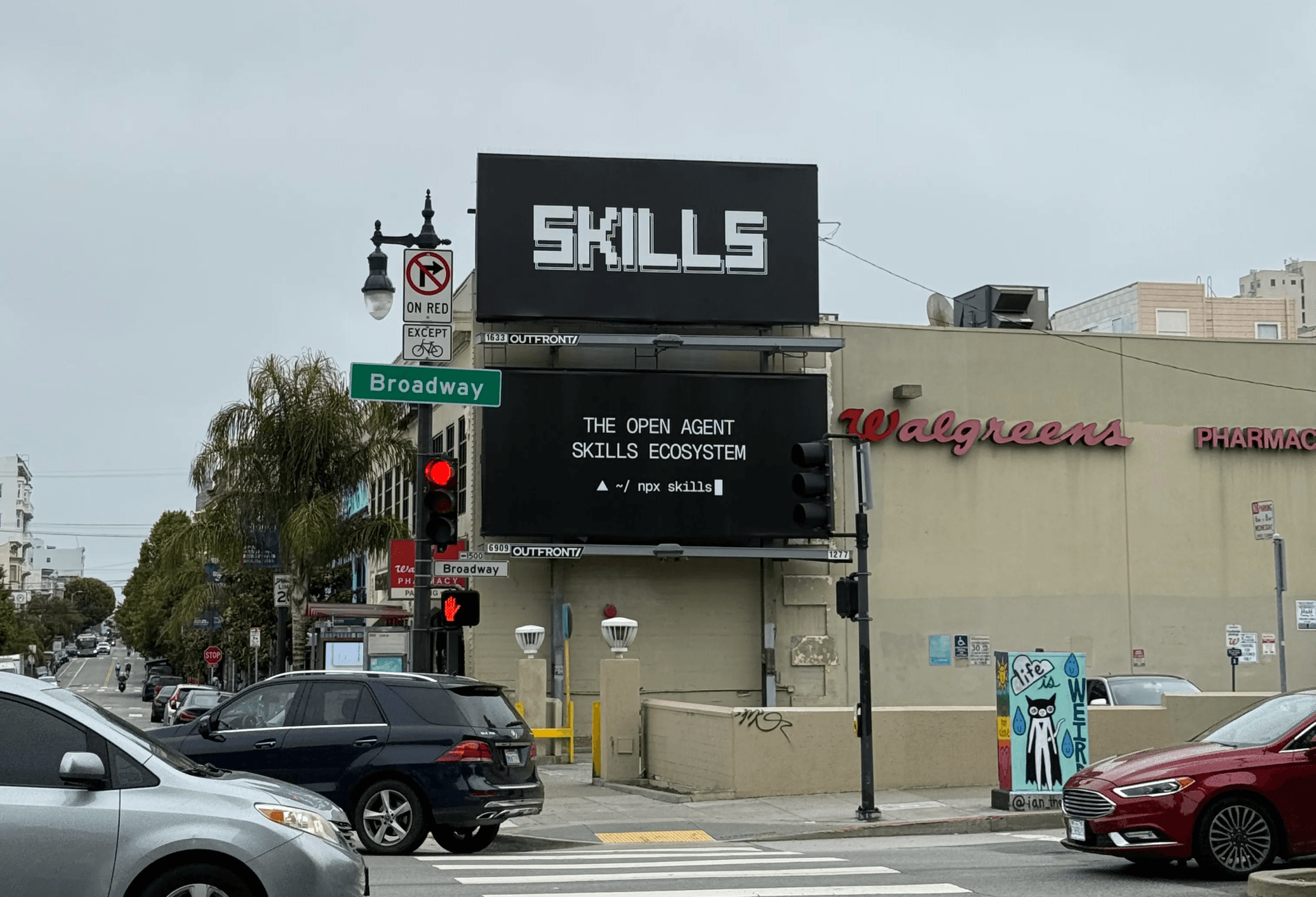
The new builder stack
What surprised me most is how blurry traditional roles are becoming.
The line between:
- Product
- Design
- Engineering
…is getting weaker.
PMs and designers are shipping features themselves.
Developers are not just coding anymore.
They are doing research, stakeholder interviews, design decisions, architecture, and implementation.
The separation between disciplines matters less.
What matters more now:
- problem understanding
- product taste
- design taste
- systems thinking
- execution speed
The question is no longer:
Are you a PM, designer, or engineer?
The question is:
How much complexity can you handle while maintaining good taste?
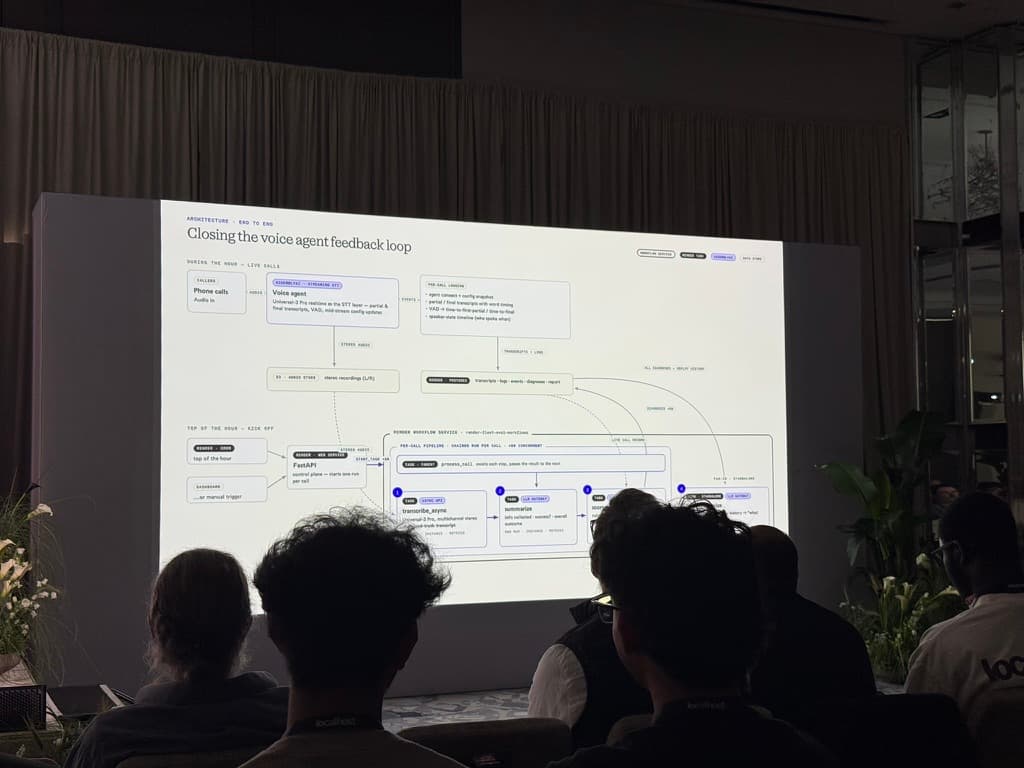
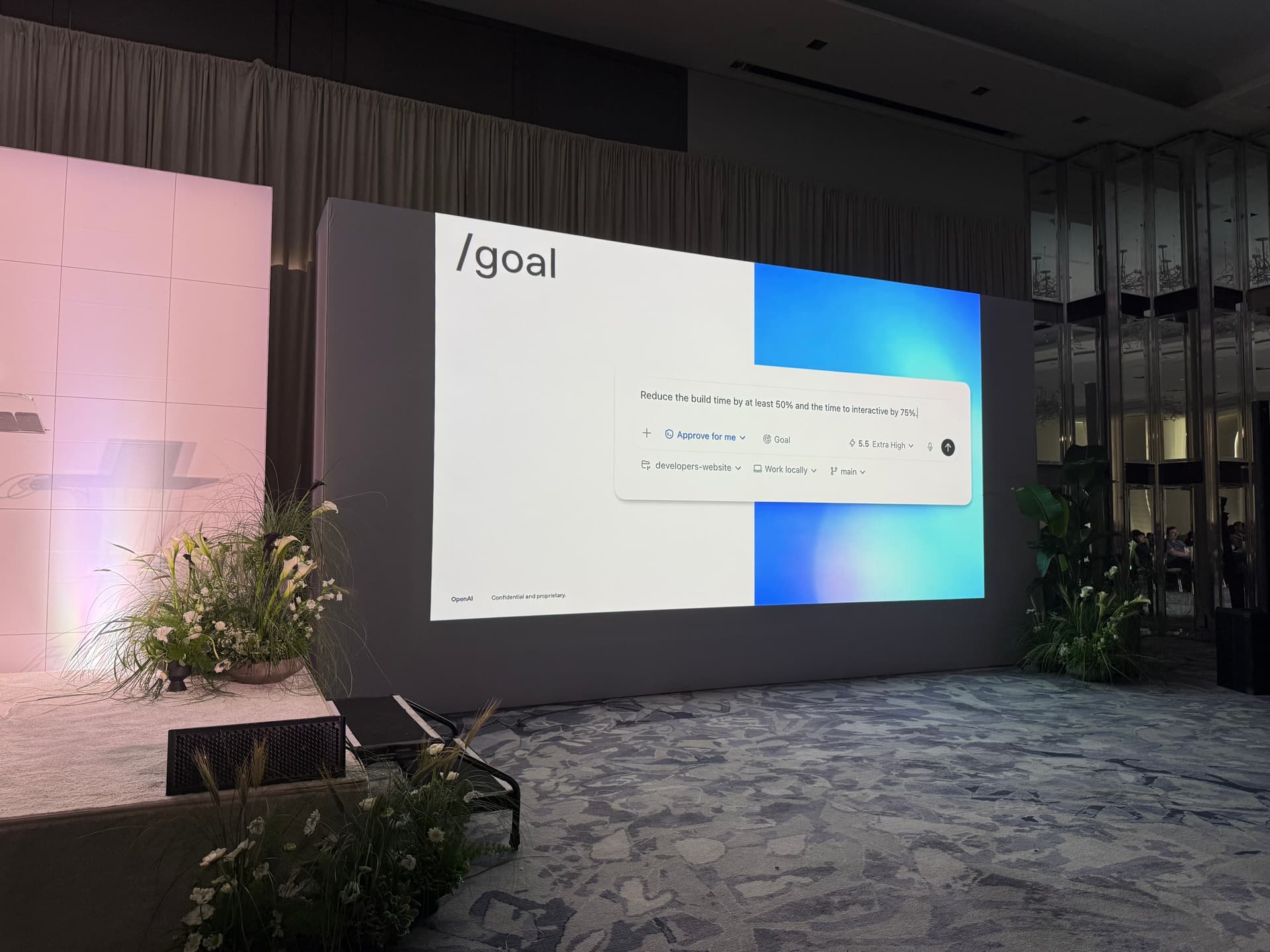
So why is prompting dead?
Prompting is not literally dead.
A good prompt still matters. A lot.
But prompting alone is becoming table stakes.
Everyone has access to frontier models.
Everyone can prompt.
The real differentiator is no longer prompting.
It’s system design.
I personally think of models like GPT 5.5 or Opus as highly capable but still raw intelligence.
Like an extremely smart graduate who has no context.
With prompts, you give direction.
With context, you give knowledge.
With systems, you give leverage.
That’s the real shift.
Building systems
Building systems means going far beyond prompting.
It means designing an environment where AI can operate end-to-end.
A real AI-native system needs five components:
- Knowledge: All your domain understanding in structured form.
- Taste: Your standards, preferences, and decision criteria.
- Prompts: Reusable instructions for specialized work.
- Tools: Access to APIs, software, workflows, and external systems.
- Orchestration: Triggers, coordination, verification, and feedback loops.
That’s the level builders in the Valley are moving toward.
And yes, this is still early.
Everyone is still figuring it out.
But one thing feels obvious to me:
This is the work we need to do now if we want to stay relevant over the next 2–5 years.
Otherwise, the future role for many knowledge workers might look like this:
Babysitting agents.
Approving outputs.
Being the final human responsible for decisions.

Where I want to improve.
I’m not in the left lane yet. But I’m getting closer.
So far I’ve built a system where:
- most of my knowledge is accessible via markdown
- I use Notion as an orchestration layer
- multiple agents can work on task boards
- agents can learn from mistakes over time
Still early. Still messy.
But the direction feels right.
Another trend: startup focus has shifted
I also noticed something interesting in the startup ecosystem here.
Last year’s AI startup wave was mostly about accelerating human work.
This year, a huge part of the startup scene is focused on infrastructure for agents.
Questions like:
- How can agents make payments?
- How can agents provision compute on demand?
- How can enterprises manage long-running context?
- How do we reduce infrastructure cost for persistent agents?
This is a very different market.
The bottleneck is no longer model intelligence alone.
The bottleneck is infrastructure around agents.
That’s where a lot of value will be created.
What’s next for me
This trip gave me already a lot of clarity.
I identified three areas I need to focus on next.
1. Agent Native
This means giving my agents access to everything I can do.
If permission alone isn’t enough, I need to teach them how I work.
Every workflow I repeat is a candidate for automation.
2. Harness
Harness is my system prompt layer.
The goal is to build the best possible set of prompts, instructions, and frameworks for every kind of work I do.
That creates something valuable:
Model independence.
As base intelligence across models converges, the real value will sit in your harness.
3. Claw
Claw is what happens when everything comes together.
It gives agents a heartbeat.
They know when:
- a Slack message arrives
- an email comes in
- a bug is created
- a task changes
They act. They verify. They improve.
And they only ping me when I’m actually needed.
That’s the endgame.
A 24/7 agent system operating in the background.

Final thoughts
This week in San Francisco gave me direction.
Not just on where AI is going.
But on where I need to go as a builder.
Prompting got us here.
Systems will define what comes next.
And I have a strong feeling that the next major advantage won’t come from having access to better models.
It will come from building better systems around them.

Share your thoughts with me! They will not be published.
If you enjoyed this post, please consider subscribing to my newsletter to get notified about new posts and other updates.

No Spam — just ideas, insights, and maybe a rare bug turned life lesson.


